Academic research and publications

Read
✳︎
Engage
✳︎
Share
✳︎
Read ✳︎ Engage ✳︎ Share ✳︎
Understanding human experience. Rethinking the relationship between body, mind and society.
What can the body tell us that words cannot?
How do personal experiences of violence, adversity and transformation become embodied?
And what happens when we begin to understand individual wellbeing not in isolation, but in relation to the social structures, relationships and institutions that shape our lives?
These questions sit at the heart of my research and professional interests.
My work explores the intersections of Dance Movement Therapy, psychology, embodiment, gender-based violence and social change. I am particularly interested in how movement, creativity and embodied processes can expand our understanding of psychological experience, support recovery and restore a sense of agency — especially for women whose lives have been shaped by violence, inequality or social exclusion.
I approach these questions through an interdisciplinary lens, bringing psychological theory, body-oriented practice, research and social perspectives into conversation. My interest extends beyond therapeutic outcomes to the wider conditions that enable people to experience autonomy, connection, dignity and participation.
Selected Research:
Reassembling the self after domestic abuse
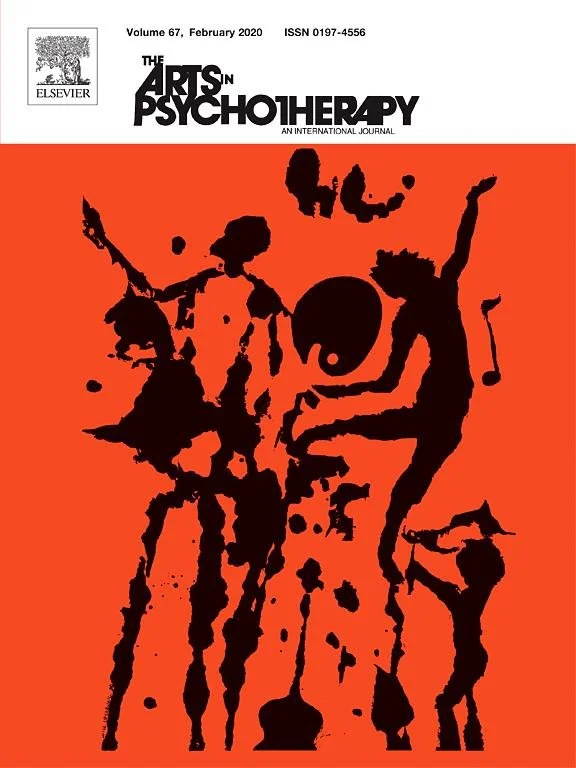
“Putting back the puzzle pieces” of life after domestic abuse: A pilot study on the effects of Dance Movement Therapy on self-esteem and anxiety in women survivors of gender violence in the Netherlands.
Liliya Foteva, Prof. Alexios Brailas & Prof. Rosa-María Rodríguez-Jiménez (2026)
The Arts in Psychotherapy, Volume 100, Article 102496.
What might recovery look like when it begins not only through language, but through movement, creativity and the experience of being in a safe relational space?
This study explores the effects of a six-month Dance Movement Therapy intervention with women survivors of gender-based violence in a Dutch women's shelter. It examines the potential of embodied and creative practices, including Greek traditional dance, to support self-esteem and address anxiety in the aftermath of abuse.
The research contributes to an evolving conversation about trauma, embodiment and recovery, drawing attention to the role of the body in processes that are often approached primarily through verbal and cognitive frameworks.
Editorial Engagement
Bringing research and practice into dialogue
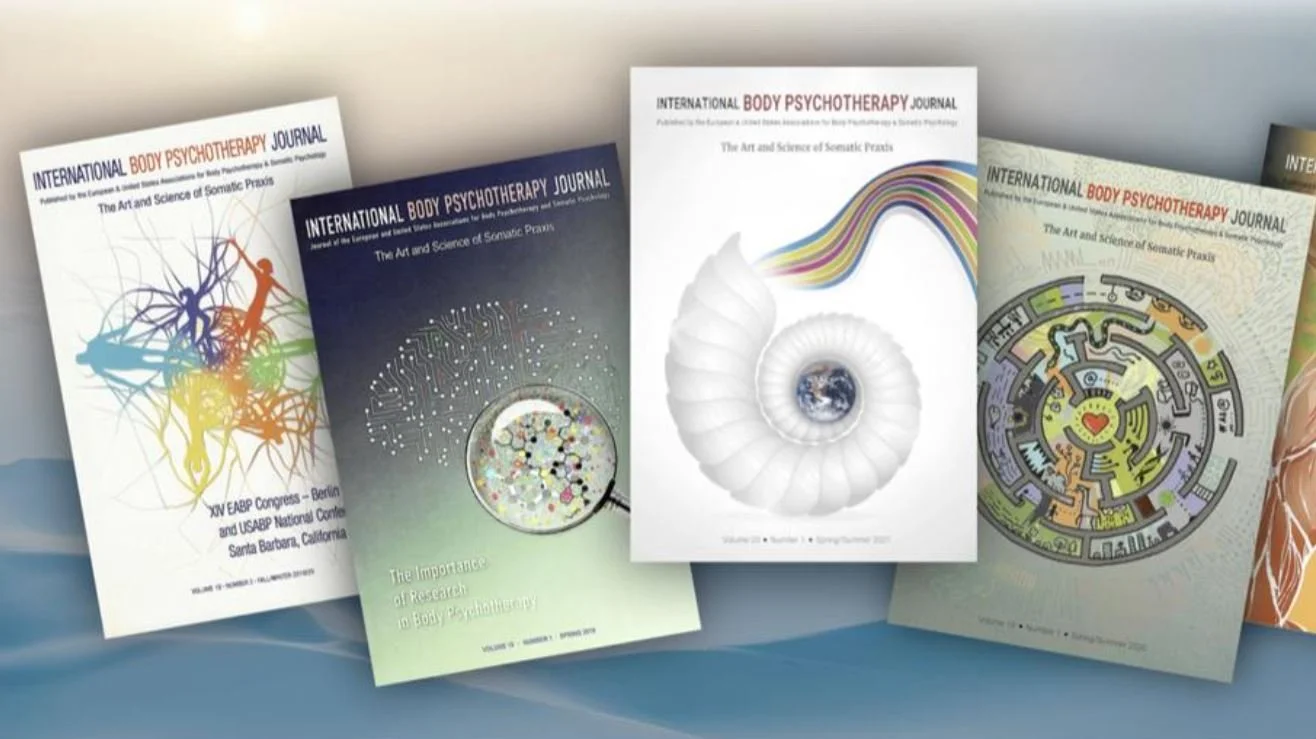
As Managing Editor of the International Journal of Body Psychotherapy (IBPJ), Liliya contributes to the dissemination of research and professional knowledge in body-oriented psychotherapy.
This role reflects a broader commitment to strengthening the relationship between academic inquiry and clinical practice, encouraging interdisciplinary exchange and supporting the visibility of approaches that take the body as a dimension of human experience.
